
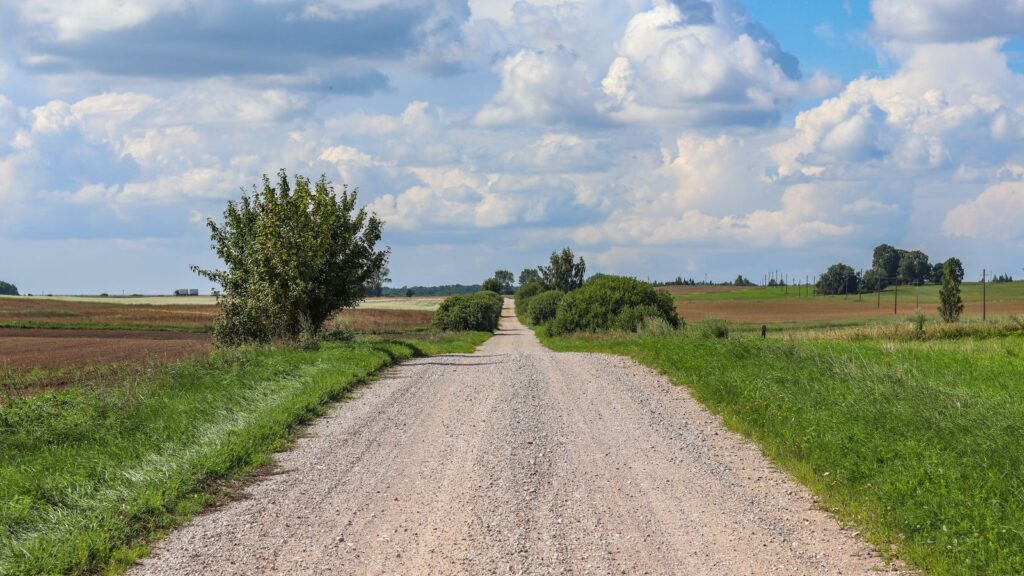
Everyone pictures the sunset. Nobody pictures the mowing.
I live this life. Gravel road, big dogs, outbuilding, the whole thing. I love it. But I’ve also watched buyers fall hard for a view on a Saturday showing and never once think about what a Tuesday in February looks like out there. So here’s the honest version of acreage living in the Highway 2 and Highway 50 communities east of Lincoln, from Louisville and Elmwood down through Palmyra, Unadilla and Syracuse.
None of this is meant to talk you out of it. It’s meant to make sure you actually want it.
The mowing is a part-time job
A town lot takes twenty minutes. Several acres takes hours, and it takes those hours every single week from April to October. If you don’t have a zero-turn or a mower deck for a tractor, you’re buying one. Then you’re storing it, maintaining it, and replacing belts and blades on it.
Ask the seller how long it actually takes them to mow. Not how long it should take. How long it takes. That number tells you more about your future Saturdays than anything in the listing.
Gravel changes how you live
Gravel dust gets into everything. Your entry, your windowsills, your vehicle. In dry stretches, a truck going by means you’re closing the windows.
Then there’s the rest of it. Tires wear faster. Washboard shows up right when you’re already late. Some delivery drivers won’t come down the road, and some carriers charge more or just won’t run it in bad weather. Find out who maintains the road, whether it’s county-maintained or shared between neighbors, and how quickly it gets bladed after a storm. In Cass, Otoe and Lancaster Counties the answer varies road by road.
Propane, water and the systems nobody mentions
Most acreages out here heat with propane. That means a tank, a supplier, a delivery schedule, and a bill that shows up in big chunks instead of evenly through the year. Ask whether the tank is owned or leased, because a leased tank ties you to one company.
Water is its own education. Well water out here is usually hard, often has iron, and a softener is standard equipment, not a luxury. You’ll be hauling salt. You may want a sediment filter, and if the water tastes like a penny, you’ll want to know that before closing and not after.
Septic means you’re the wastewater department now. Pumping is on you, on a schedule, and what goes down the drain matters. I wrote a separate guide on well and septic inspections because that side deserves its own deep dive. Treat that one as your diligence checklist and this one as the lifestyle reality.
Trash, mail and internet
Trash service is not automatic. You pick a hauler, you pay for it, and you drag the cart out to the road, which in winter is a longer walk than you think. Mail may come to a cluster box or a post at the end of the drive. Package theft matters less out here, weather matters more.
Internet is the one that surprises people most. Check exactly what serves that address before you write an offer, not what serves the town three miles away. If someone works from home, this is not a detail. It’s a dealbreaker or it isn’t.
Winter is the real test
Snow removal is yours. A long drive means a blade, a blower, or a neighbor with a tractor and a good attitude. Plan on all three eventually.
Drive the route in bad weather before you buy if you can. County roads get cleared after the highways do. Figure out what a school run, a work commute, or a run into Lincoln looks like on the worst morning of the year, and be honest about whether you’re fine with it.
The equipment list adds up
Mower. Trimmer. Maybe a tractor. A generator, because rural power outages last longer. A shop vac and a real set of tools, because the nearest service call is a drive. Salt for the softener, propane on contract, fuel for everything. It’s not one big number, it’s a steady drip of ownership.
And here’s why people still do it
Because the space is real. Because your kid can be outside without a fence around them. Because in Bennet or Weeping Water or Murdock, the person at the counter knows your name and the ballfield lights are on Friday night and that means something. Because you can breathe.
I’m not going to pretend the chores aren’t chores. I’m telling you they’re worth it if this is the life you want, and they’re miserable if you were only there for the sunset.
So walk the property twice. Ask the ugly questions. If it’s not the right one, we don’t force it. There will be another one. Love where you live.
If you’re thinking about moving out this way, and especially if you have a Lincoln house to sell to make it happen, reach out and let’s talk it through. No commitment, just a plan.
If you’re juggling a sell and a buy at the same time, or eyeing a move to the small towns east of Lincoln, this is exactly what I do all day: See how I work →