Start a Conversation Call

Selling this house and buying the next one, east of Lincoln.

That is the hard part of moving up. The Next Home Plan is how I coordinate the sale and the purchase so you know what happens next, whether the next place is in town or on an acreage.

Round hay bales in a cut field
Rookie of the Year from SimpliCity Real Estate
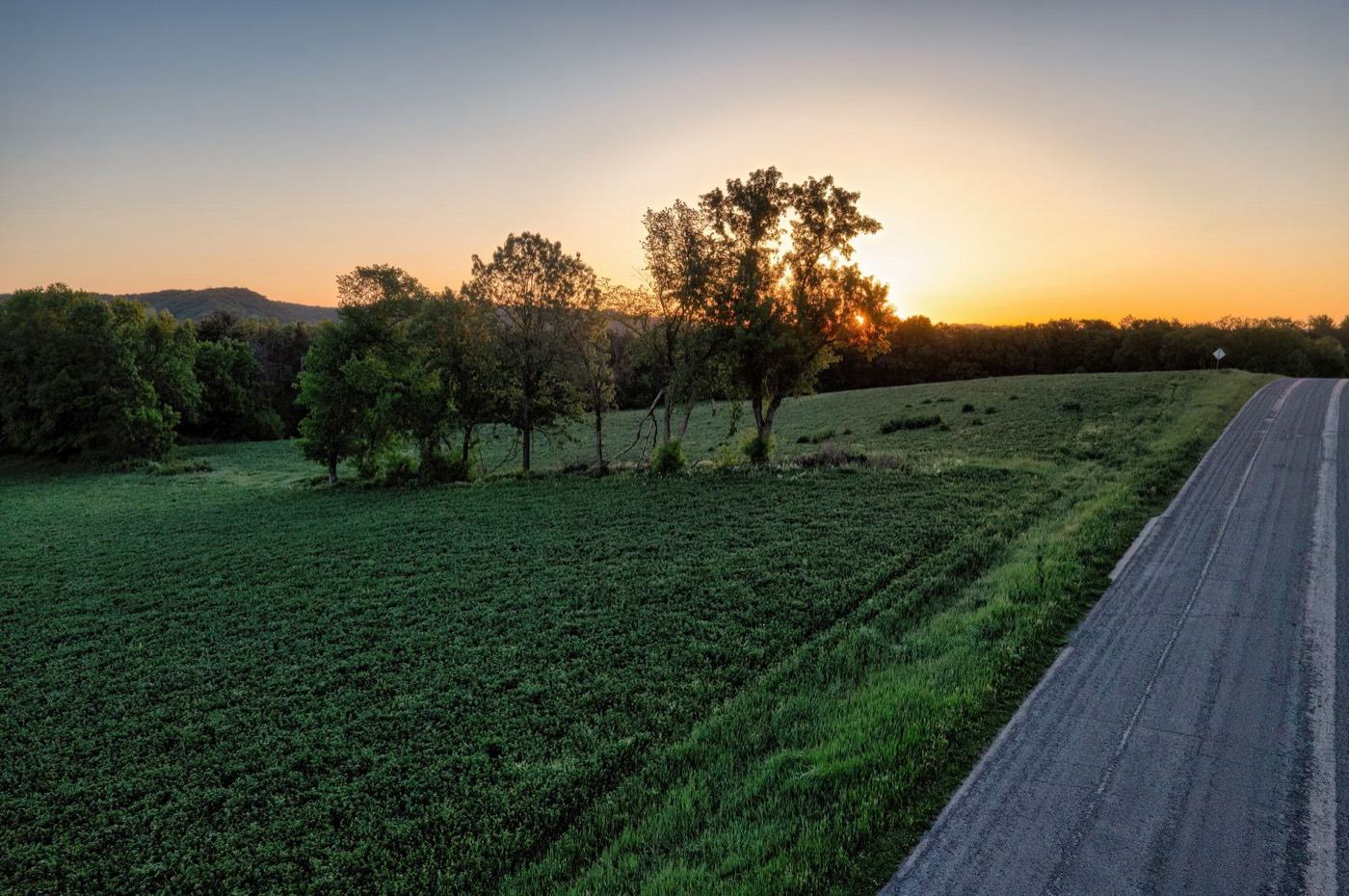
Country road at sunset
  1. If this sounds familiar

    A few things tend to start the conversation:

    Not enough room. A room is doing two jobs and doing neither of them well, or there is nowhere to put the things you use.

    You want land. A bigger lot, a shop, space for animals or a garden, or a quieter road.

    A different town. Closer to work or to the places you visit most, or a town along Highway 2 or Highway 50 you keep driving through.

    You already know you want to move. The question is how to pull it off: what to do first, what your house will sell for, and what you can buy next.

  2. The problem with moving up

    You need to sell your current house to buy the next one. But you cannot buy the next one with confidence until you know what your current one will sell for.

    Sell first and you may be searching for the next home with a deadline. Buy first and the financing has to cover both houses for a while. Small towns can have fewer homes for sale, so the order matters.

    The Next Home Plan is how I run that process. We talk through each step before it happens, and we aim for closings that line up. Matching dates cannot be guaranteed, so we plan for a gap or an overlap before you commit.

  3. The Next Home Plan: 5 steps

    1. Plan. We sit down and map it out. I give you a realistic price range for your current house, and your lender confirms what you qualify for on the next one. Small towns can have fewer recent sales to compare, so I look closely at the house, the lot and the street. Request a value estimate to start.

    2. Walk-through. Before we list, I walk the house with you and point out what buyers tend to notice. Whether to change anything, and who does it, is your decision.

    3. Search. We search for homes that fit what you need, in the towns and on the roads you want. If the next place is an acreage, we add the rural questions: a private well and septic system, a gravel road, outbuildings, internet options and the drive.

    4. Sell. We choose the list price together and present what your property offers: the lot, the outbuildings, the street and the town. We also decide how the sale fits the purchase: sell first, buy with a sale contingency, or buy first if a lender approves it.

    5. Close. I keep both timelines on one calendar: inspections, appraisals, loan approval and both closings. We work with the lenders and title companies toward compatible closing and possession dates, and keep everyone updated.

    Each step sets up the next one, and each one is explained before it happens.
The Small-Town Budget One-Pager

Town by town, what your budget buys east of Lincoln, and what it costs to live there once you count the drive, the well, and everything town utilities used to cover.

No spam and no calls you did not ask for. Email updates are only sent if you check the box above.

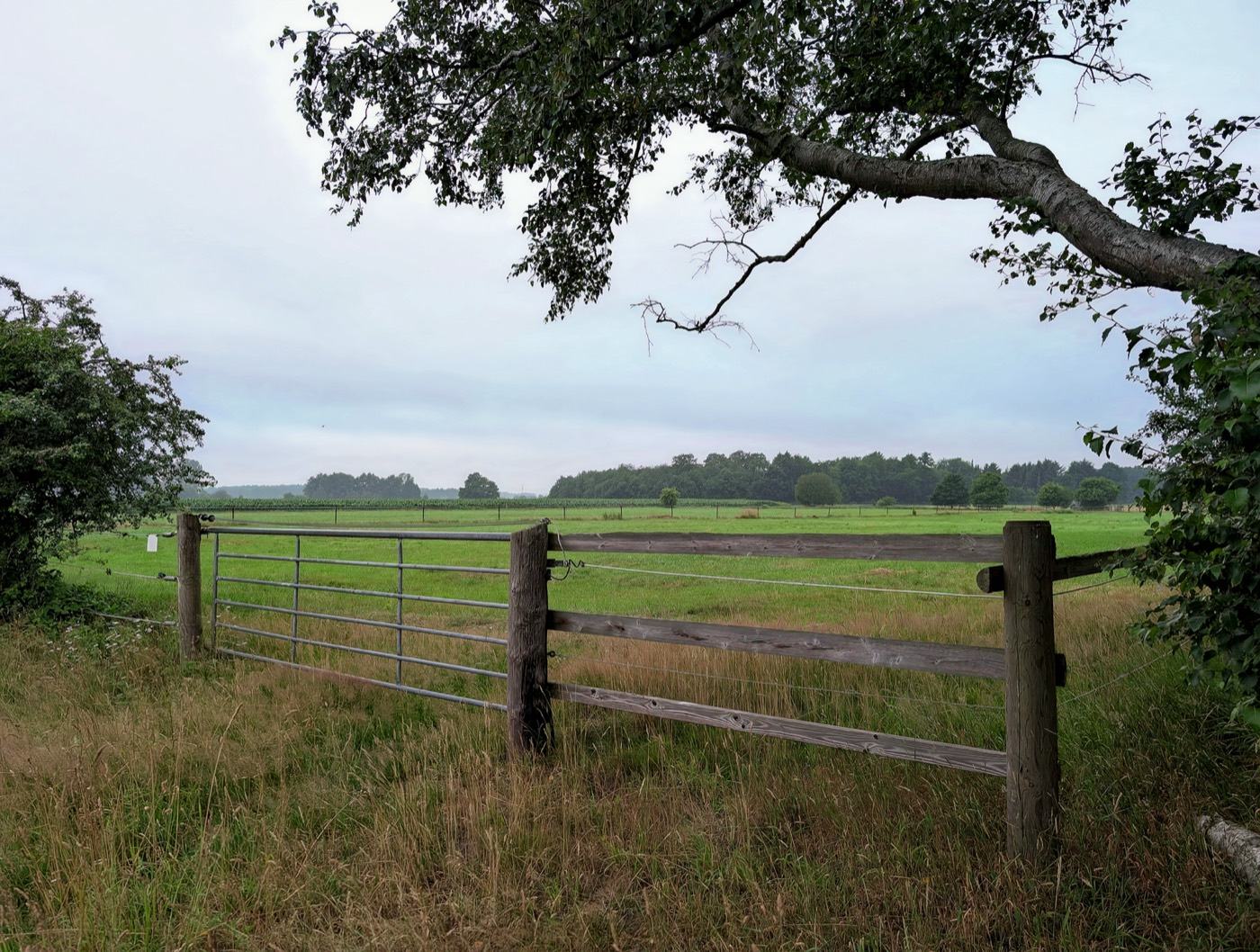
Pasture fence along open grassland
  1. Pick the order: sell first, buy first, or tie them together

    Each path trades cost, certainty and stress differently.

    Sell first. You know what the sale brings before you commit to the next house, and your offer on the next house does not depend on a sale. You may need a short-term place to live, or a rent-back from your buyer.

    Buy with a sale contingency. Your offer depends on your current home selling, if the seller accepts that term. Contingency terms are negotiated, and a seller may decline. It tends to go better when your house is ready to list.

    Buy first. If a lender approves you to carry both homes for a while, you can shop without a contingency and sell afterward, at the cost of carrying both.

    A lender confirms which of these fit your numbers. I help you lay them side by side.

  2. Who this is for

    Owners in Cass and Otoe County whose current house no longer fits and who need to sell it to buy the next one.

    Owners in a town who want an acreage, and acreage owners who want to be back in town.

    Anyone who has been saying "we will move eventually" and wants to see what it would take.

Tell me what you're looking for

No listing spam. A short list that actually fits, from an agent who knows Cass and Otoe County.

Questions

Common questions

What is the Next Home Plan?

It is Sydney Hrouda's five-step plan for selling your current home and buying the next one together in Cass and Otoe County: Plan, Walk-through, Search, Sell, Close. The financing, contract and closing choices are written down as they become known. Matching closing dates cannot be guaranteed, so the plan covers a possible gap or overlap.

Can I buy my next home before I sell my current one?

Sometimes. It depends on your equity, your income and what a lender will approve. Sydney lays out the options, and a lender confirms which ones fit you.

What is a rent-back?

An agreement that lets the seller stay in the home for a set time after closing, on terms written into the contract. It can bridge the gap between selling and moving into the next house.

What changes if the next home is an acreage?

Rural homes add questions a town home does not: a private well and septic system, road access and maintenance, outbuildings, internet options and the drive. A lender may ask for well and septic checks, so confirm with yours. Sydney adds those items to the search and the offer plan.

Which towns does Sydney work in?

Cass and Otoe County, including towns along Highway 2 and Highway 50 such as Syracuse, Unadilla, Palmyra, Weeping Water, Louisville and Elmwood.

Want to see what this looks like for you?

Book a call and we will map out what moving up would look like: your home's value, the order of the steps and the timing.

Let's figure it out together.