
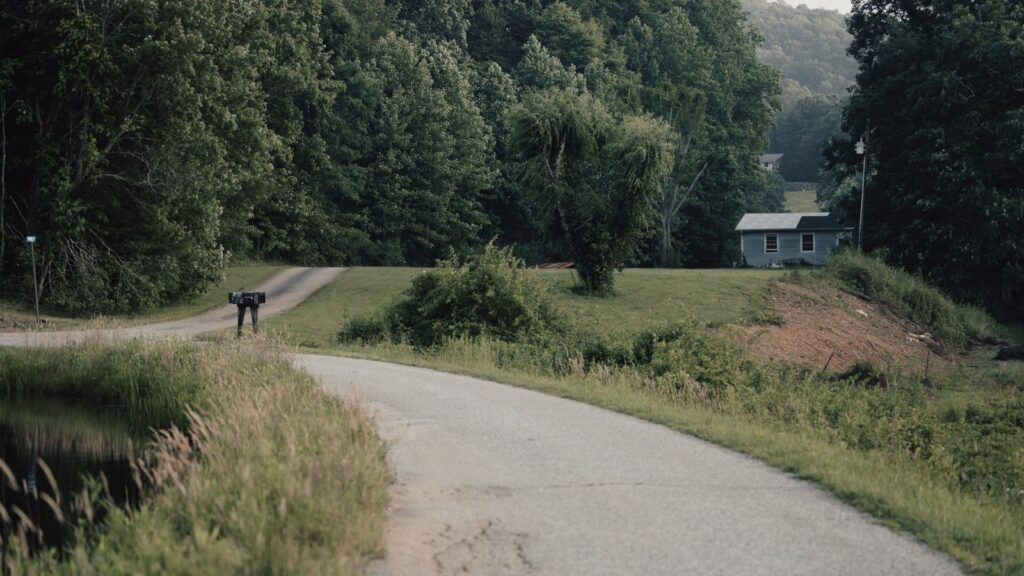
More space or more neighbors? Out here you can have either. You just have to be honest with yourself about which one you’ll actually love.
I get this question almost every week from people looking east of Lincoln along Highway 2 and Highway 50. They know they want out of the city. They don’t know yet whether that means an acreage with a gravel driveway, or a house in town where you can walk to the ball field.
Both are good lives. They are not the same life. Here’s how I help people tell the difference before they sign anything.
Country living: what it actually asks of you
An acreage outside Palmyra or Weeping Water gives you room to breathe. Space for a shop. Space for the dogs. Quiet that city people forget exists. I live this way, so I’m not selling you a postcard version of it.
Here’s the honest part. Acreage is a job. Not a hard job, but a constant one.
- The systems are yours. Well, septic, propane. No city utility crew is coming. You learn your own water, or you find someone who knows it.
- Snow and gravel. County roads get plowed, but not first, and not on your schedule. Ask how the road drains in spring before you fall in love with the view.
- Mowing is real. Acres take hours, every week, all summer. People underestimate this constantly.
- Everything is a drive. Milk, gas, practice, work. None of it is far, but none of it is close either.
If that list reads like a hassle to you, that’s useful information. It is not a character flaw. It just means town might fit you better.
Small-town living: what it actually gives you
A house in Syracuse, Bennet, Louisville, Elmwood, Murdock, or Unadilla is a different trade. Smaller lot. More neighbors. And a whole lot less to maintain.
You get city water and sewer. You get trash pickup. You get a lot you can mow in an evening. You get streets that get cleared and a fire department that’s minutes out, not fifteen.
You also get the thing people move to small towns for in the first place. You see the same people at the post office. Your kid’s game is four blocks away. Somebody notices when your garage door has been open all night. That is the part of small-town living that never shows up in the listing photos, and it’s the part clients tell me they love most a year later.
The trade-off is proximity. Your neighbor’s dog, your neighbor’s project truck, your neighbor’s music. In town, you live near people. That is the entire point, and it’s also the entire cost.
The questions that actually sort people
When someone can’t decide, I ask these:
- Who is doing the outside work in five years? Be realistic about time and back and energy, not just today.
- How many nights a week are you driving somewhere? Practices, second shift, aging parents in Lincoln. Add up the miles honestly.
- Do you want to be seen, or do you want to be left alone? Neither answer is wrong. Both answers are permanent-ish.
- What’s the internet situation? If you work from home, check service at the actual address before anything else. It varies a lot out here, sometimes property to property.
- What do you want to walk out to on a Saturday morning? A shop and a treeline, or a sidewalk and a coffee two blocks down.
Budget looks different, not just bigger
I won’t talk numbers here, but I will talk categories, because that’s where people get surprised.
Acreages carry costs a house in town doesn’t. Well testing and septic inspections at purchase. Equipment to maintain the ground. Insurance that’s structured differently. Outbuildings that eventually need roofs and doors. Lending on acreage can also work differently than lending on a house in town, and that’s worth knowing early, not late.
Houses in town carry costs too. Municipal utilities and taxes. Older housing stock in a lot of these towns, which means mechanicals and roofs and foundations get real attention at inspection.
Different does not mean worse. It means we plan for the right one.
If you’re selling in Lincoln to do this
Most people asking me this question own a starter home in Lincoln. That changes the conversation, because now we’re running both sides at once.
The buyers who win out here are the ones who could list tomorrow if they had to. So we get your Lincoln house prep-ready and priced right before we start touring acreages you’ll fall for. That’s not pressure. That’s leverage.
Go drive it before you decide
Pick a Tuesday night. Drive from an acreage address to wherever you’d actually have to be at 6 p.m. Then do the same from a house in town. Sit in both driveways for twenty minutes. You’ll know more in one evening than in a month of scrolling listings.
There is no right answer here. There’s only the one that fits how you actually live. We don’t have to force it. If it’s not right, there will be another one. Love where you live.
If you’re juggling a sell and a buy at the same time, or eyeing a move to the small towns east of Lincoln, this is exactly what I do all day: See how I work →