
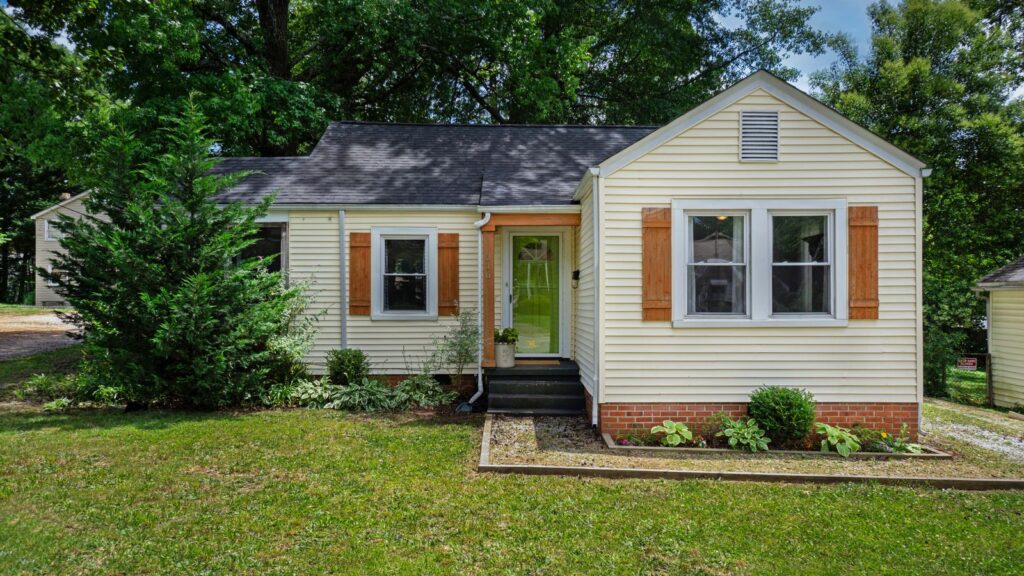
Count the space after you verify what it is. Not before.
This comes up constantly in the small towns east of Lincoln. A house in Syracuse with a bedroom added off the back. A story-and-a-half in Louisville where someone finished the upstairs. A basement in Bennet with carpet, drywall, and a closet that somebody started calling a fourth bedroom. Sometimes that space is solid, permitted, and worth every bit of what it adds. Sometimes it’s a nice room that nobody counts but you.
The difference matters for your loan, your appraisal, your insurance, and the day you sell it. So we check first.
Why unverified square footage causes real problems
Here’s the quiet version of this problem. You buy a three bedroom that the listing calls a four bedroom. Your lender’s appraiser doesn’t count the fourth. Your appraisal comes in short. Now you’re renegotiating under pressure, or bringing more cash, or losing the deal. None of that is fun, and all of it is avoidable.
Then there’s resale. Five years later, your buyer’s appraiser makes the same call. You paid for a bedroom you never actually owned.
The checklist I run on any addition or converted room
1. Pull the permit and assessor records
Start with the county assessor’s record of the property and compare it to what you’re standing in. If the assessor shows less finished area than the listing, there’s a story. Then check with the village or city office and the county on permits. Small towns and acreages handle this differently, and in Cass County or Otoe County the answer may be that no permit was ever required out there. That’s not automatically bad. It just means the records won’t back you up, so the inspection has to do more work.
2. Ask what the appraiser will actually count
Appraisers separate above-grade living area from below-grade finished space. A finished basement room in Weeping Water can be beautiful and still not count toward the same square footage as the main floor. Converted spaces also have to be accessible by normal stairs or hallways, heated by the home’s permanent system, and finished to match. A space heater and a pull-down ladder don’t get you there.
3. Confirm it meets the bedroom basics
A legal bedroom generally needs an egress window or door you could actually get out of in a fire, proper ceiling height, permanent heat, and access that isn’t through another bedroom. A converted dining room with pocket doors and no window is a den. Call things what they are.
4. On acreages, check the septic against the bedroom count
This is the one people miss. Septic systems are sized by bedroom count. If the home was permitted as a two bedroom and someone added two more, the system may be undersized for how the house is being used. Get the septic inspected and pumped, find the permit if there is one, and know what you’d be dealing with. Same thought on well capacity and water quality.
5. Look at how it ties into the original house
Walk the exterior. Look at the roofline, the siding transition, and the foundation under the addition. Slab-on-grade bolted to an older foundation moves differently than the rest of the house. Your inspector should be told, up front, that this section was added, and asked specifically about framing, flashing, and moisture at the seam.
6. Tell your insurance agent and your lender early
Unpermitted work and converted space can affect coverage and loan eligibility, especially with certain loan types. Ask before you’re ten days from closing.
What you do with the answers
Finding a problem is not the same as walking away. I had buyers leaving a Lincoln starter home for a small-town place they genuinely wanted, and the condition issues stacked up. The sellers said no more than once. We slowed it down, got quotes, sorted out what actually mattered, and kept going back. They got the house, and they didn’t overpay for it.
That’s the move here too. If the space doesn’t verify, you either negotiate the price down to what the house actually is, get the work corrected and documented, or decide it’s fine as bonus space you’re not paying a premium for. All three are reasonable. Paying four-bedroom value for three bedrooms and a nice extra room is not.
And if you’re selling in Lincoln to move out to Unadilla, Palmyra, Murdock, or Elmwood, run this same check on your own house before you list it. Whatever you’re calling that finished basement room, an appraiser is going to have an opinion.
If you’re looking at a house like this
Reach out and let’s talk through it. No paperwork, no commitment, just a conversation about the specific house and what we’d need to confirm. We don’t have to force it. There will be another one if it’s not right.
Verify the space, then count it. That’s how you buy with your eyes open.
If you’re juggling a sell and a buy at the same time, or eyeing a move to the small towns east of Lincoln, this is exactly what I do all day: See how I work →