
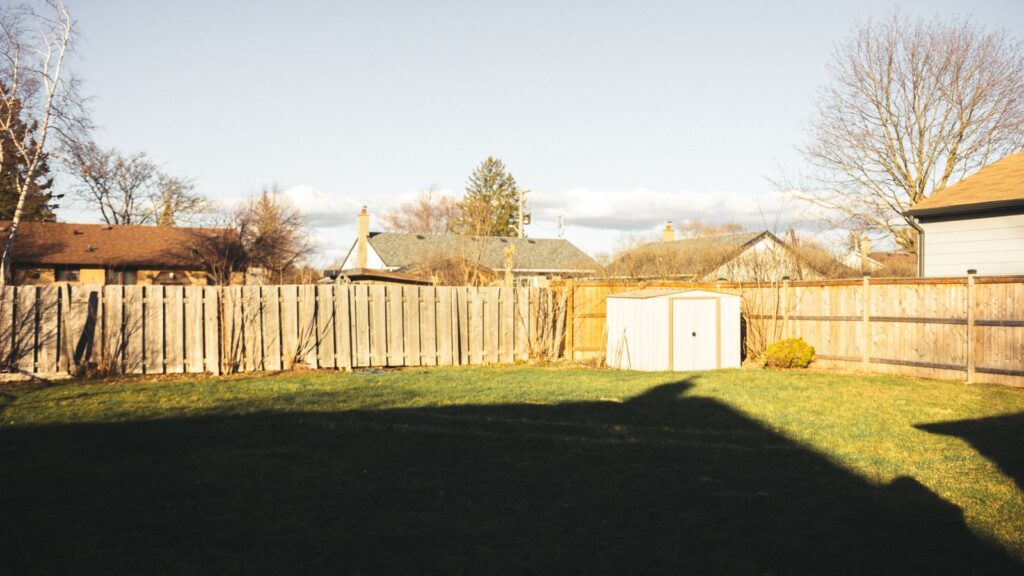
The new yard can wait. Get everybody settled first.
I hear the same thing from buyers moving out to Bennet, Palmyra, Elmwood, Louisville, or Syracuse: the whole reason they wanted more land was the dogs. Room to run. No neighbor twenty feet away. Then moving day shows up, the truck backs in, the doors are propped open for four hours straight, and the animals are the last thing anybody planned for.
I have three big dogs. Opie the Great Dane, Harley the English Springer Spaniel, and Sunnee the English Mastiff. I know exactly how fast a moving day goes sideways when nobody has a plan for them. So here’s the plan I give clients, and it starts before the truck ever pulls in.
Pick the quiet room before anything comes off the truck
Choose one room in the new house and make it off-limits to movers. A back bedroom, a bathroom, a finished basement corner. Somewhere with a door that actually latches and a window that isn’t on the loading side.
Set it up first. Bed, water, a toy or blanket that already smells like the old place. Put a sign on the door so nobody props it open with a box. Then close it and leave it closed while the loud part happens.
This does two things. Your animals stay out of the doorway traffic, and you stop losing twenty minutes every hour to checking on them. On a move where you’re also juggling possession timing, those twenty minutes matter.
Pack a first-day bag you don’t have to dig for
Whatever your animals need in the first twenty-four hours goes in one bag, and that bag rides in your car. Not the truck. Not the trailer.
- Food and bowls for two days, measured out so you’re not opening bins
- Leashes and collars with current tags, plus a backup leash
- Medications and paperwork in one folder, not scattered
- Cleanup supplies, because new house plus stress equals accidents
- Something familiar – the old bed, the old blanket, the ratty toy
- Crates or carriers, loaded last so they come off first
If you have cats, the carrier is not optional. A cat that slips out on an acreage in an unfamiliar place is a very long night.
Walk the fence line before anybody goes off leash
This is the part people skip, and it’s the one that costs the most.
Acreage fencing out here comes in layers. Some of it was built for cattle, some of it was built by the last three owners, and some of it was built in 1978 and never touched again. Before you let a dog loose, walk the whole perimeter yourself. Slowly.
Look for gaps under the bottom wire where water runs. Check every gate latch, and check whether a gate actually closes or just leans shut. Look at culverts, window wells, outbuilding doors, and anywhere a determined dog could squeeze. Find out where the property line actually sits versus where the fence sits, because those two things are not always the same.
Do it during your final walkthrough if you can. Then do it again on move-in day, because the movers will leave gates open. They always do.
Keep the boring routine on purpose
Same feeding time. Same bedtime. Same walk, even if the walk is now a gravel road instead of a sidewalk. Familiar rhythm does more to settle an animal than a new yard does.
And go easy on the freedom for the first week. Leash walks around the property, on purpose, with you. Let them learn where home is before you trust them to find their way back to it. On a county road, that patience is worth a lot.
If you’re selling and buying at the same time, plan the gap
Most of my clients are doing both sides at once. Selling the Lincoln starter home, buying the place with land. That means possession dates, and possession dates don’t always line up clean.
So we plan for it up front. Where do the animals go if there are two days between closings? Who has them during the actual move? Is there a family member, a boarding option, a friend with a fenced yard? I’d rather build that into the timeline in week one than scramble for it the night before.
That’s the whole job, honestly. Look at what’s actually going to happen, and have an answer ready before it happens. There’s always a plan and a reason behind it.
Give it a few weeks
Animals settle on their own schedule. Some are fine by dinner. Some take a month to stop pacing at night. Neither one means you made the wrong move.
If you’re thinking about a move out to the small towns east of Lincoln and you’re trying to figure out how the logistics actually work, reach out. No commitment, just a conversation about your situation.
Settle the animals first. The yard will still be there tomorrow, and it isn’t going anywhere.
If you’re juggling a sell and a buy at the same time, or eyeing a move to the small towns east of Lincoln, this is exactly what I do all day: See how I work →